19 Jun 2026
How Mental Processes Guide Selections Between Physical Card Games and Their Digital Equivalents
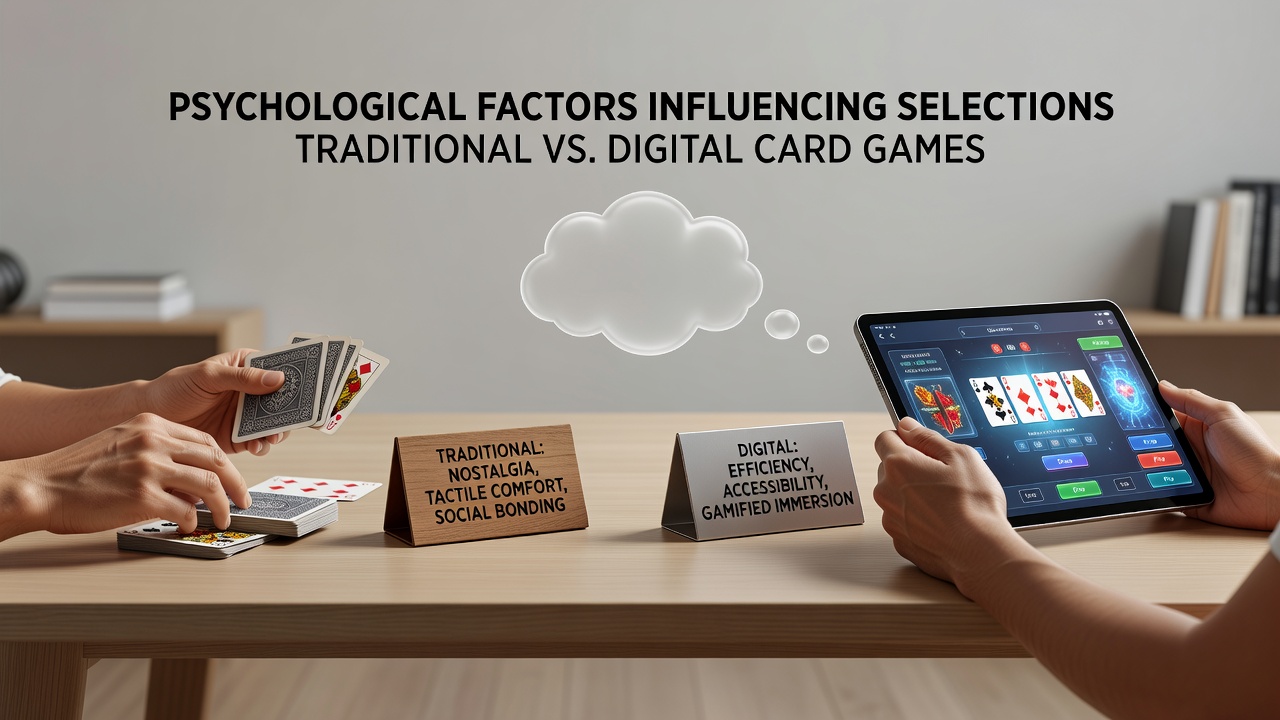
Psychological elements play a central role in how individuals decide between physical card games played at tables and their digital versions accessed through screens, with researchers identifying patterns tied to sensory input, social cues, and cognitive expectations that shape these preferences across different player groups. Studies conducted over the past decade reveal consistent themes around tangibility, trust formation, and immersion levels that influence whether someone reaches for a deck of cards or opens an app.
Sensory Engagement and Tangible Feedback Loops
Physical card handling delivers direct tactile sensations that digital interfaces cannot fully replicate, and psychologists note how these sensory details activate brain regions associated with presence and memory consolidation. Players often report stronger emotional connections when shuffling real cards or feeling the weight of chips, elements that reinforce engagement through repeated motor actions. Digital variants compensate with visual animations and sound effects, yet observers find these substitutes create different neural responses that some participants describe as less satisfying for extended sessions.
Research indicates that the absence of physical resistance in touchscreen interactions can reduce perceived control during critical moments like betting or discarding, which affects decision-making speed and satisfaction. Those who prefer traditional formats frequently cite the ability to inspect cards closely or arrange them in personal patterns as factors that enhance focus, while digital users highlight how streamlined interfaces reduce physical fatigue during longer play periods.
Social Presence and Interaction Dynamics
Face-to-face card games foster immediate nonverbal communication that digital platforms attempt to simulate through chat functions and video elements, though the psychological impact differs markedly between the two. Studies show that in-person settings activate mirror neurons more intensely during bluffing sequences or cooperative plays, creating shared emotional states that strengthen group bonds. Digital environments allow broader participation across distances, yet they often require additional mental effort to interpret limited social signals from avatars or text.
Participants in group studies frequently mention how physical proximity influences risk tolerance, with players adjusting strategies based on visible body language that screens obscure. This distinction becomes particularly relevant in competitive formats where reading opponents forms a core psychological component of the experience.
Trust Formation and Perceived Control Mechanisms
Perceptions of fairness and security drive many choices, with physical games offering visible shuffling and dealing processes that reduce uncertainty for some individuals. Digital systems rely on certified random number generators and third-party audits, yet building equivalent trust requires users to accept invisible processes that operate behind interfaces. Data from multiple jurisdictions demonstrates that players who value transparency often gravitate toward traditional variants until they develop familiarity with licensed digital platforms.
Control perceptions extend to pacing and rule enforcement as well, since physical games allow participants to pause or clarify rules through direct discussion while digital versions enforce standardized timing. Researchers have documented how these structural differences influence anxiety levels during play, particularly among those new to specific game variants.

Convenience Factors and Cognitive Load Considerations
Accessibility drives many toward digital options because they eliminate travel requirements and enable play during fragmented time periods, patterns that align with busy modern schedules. Yet this convenience introduces new cognitive demands around managing notifications, account security, and interface navigation that traditional settings largely avoid. Observers note that habitual digital users develop routines that minimize these loads over time, whereas occasional players may experience decision fatigue from multiple available game modes.
June 2026 data from international gaming behavior surveys highlighted how younger demographics increasingly blend both formats, selecting digital versions for quick sessions and physical ones for social gatherings. This flexibility reflects adaptive psychological strategies that balance immediate convenience against deeper experiential rewards.
Habituation, Nostalgia, and Identity Alignment
Long-standing habits formed through childhood or family traditions create strong preferences for physical card games that digital alternatives struggle to displace entirely. Nostalgia triggers tied to specific card designs or table settings activate reward pathways that reinforce continued use of traditional formats. Meanwhile, digital platforms attract users through progression systems and customization options that fulfill different psychological needs around achievement and personalization.
Identity alignment also surfaces in these choices, as individuals who view themselves as traditionalists tend to favor physical play while those embracing technology integration often default to digital environments. Longitudinal observations reveal that these preferences can shift when life circumstances change, such as relocation or altered social networks, demonstrating the fluid nature of psychological influences over time.
Conclusion
Multiple psychological dimensions interact when people select between traditional and digital card game variants, with sensory feedback, social dynamics, trust mechanisms, convenience, and personal history all contributing measurable effects. Evidence gathered across regions continues to map these influences, providing clearer pictures of why certain formats retain appeal despite technological advances. The interplay remains dynamic as platforms evolve and player populations adapt their behaviors accordingly.