12 Jun 2026
Player Divisions Driving Reel and Table Game Decisions Across Casino Floors
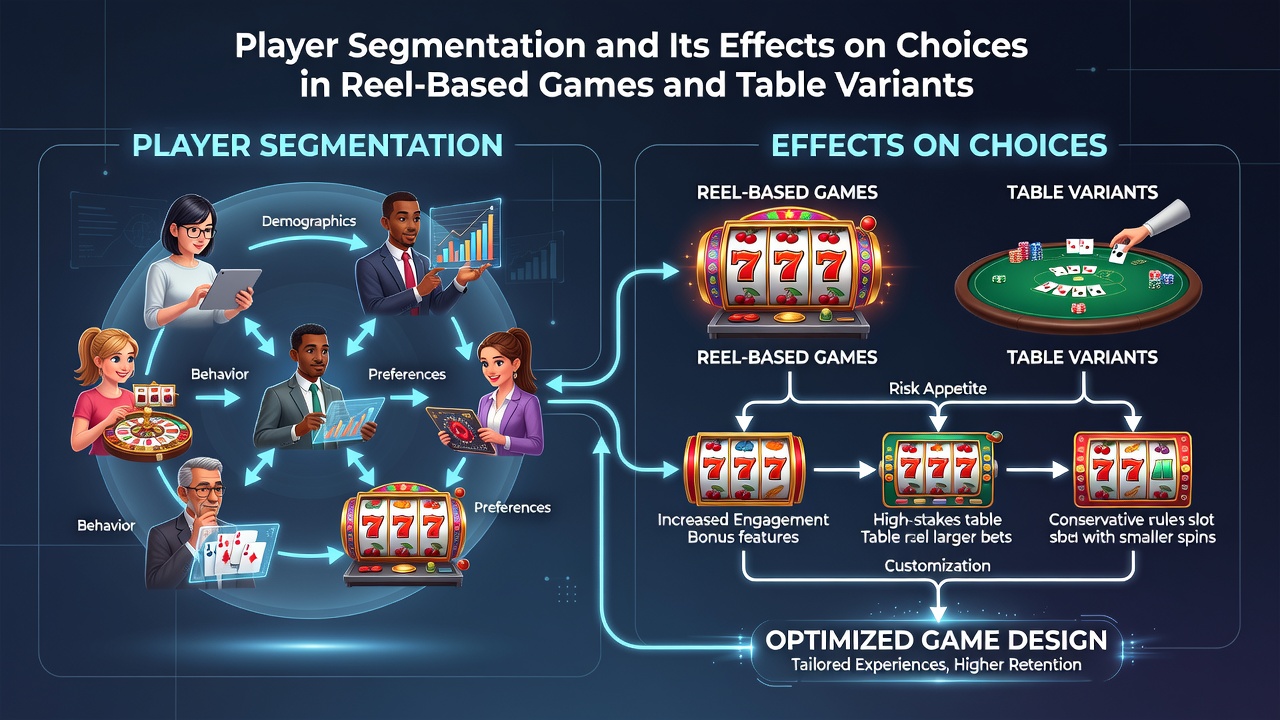
Player segmentation divides casino participants into distinct groups according to behavior patterns, demographic profiles, and engagement levels, which in turn shapes selections between reel-based games and table variants. Data from industry reports show that operators apply these categories to predict preferences, with reel-based titles often attracting high-volume casual participants while table games draw those seeking strategic depth and social interaction. Observers note that segmentation models rely on metrics such as session duration, bet sizing, and game type frequency, allowing platforms to tailor offerings without direct player input on every decision.
Core Elements of Player Segmentation Models
Segmentation frameworks typically sort individuals by frequency of play, average wager amounts, and preferred risk levels, creating categories that include recreational visitors, dedicated enthusiasts, and high-stakes participants. Research from the University of Nevada, Las Vegas indicates these groupings emerge from transaction logs and loyalty program data, which track how often players switch between reel-based formats and table options. Reel-based games feature fixed mechanics with spinning symbols and bonus triggers, whereas table variants emphasize live decisions and opponent interactions, so segmentation helps explain why certain groups gravitate toward one over the other.
Demographic factors such as age ranges and geographic locations further refine these divisions, with younger cohorts showing higher engagement in mobile reel-based sessions and older groups favoring in-person table play. Figures from the American Gaming Association reveal participation rates where reel-based options account for over 60 percent of total wagers in many jurisdictions, yet table games generate disproportionate revenue from smaller but more consistent player sets. And because segmentation updates occur regularly, operators adjust floor layouts and digital interfaces based on shifting category distributions.
Reel-Based Game Preferences Among Segmented Groups
High-frequency recreational segments often select reel-based games for their quick cycle times and visual variety, with data showing average session lengths under 30 minutes for these participants. Progressive jackpot features and multi-line configurations appeal to this group because they deliver intermittent rewards without requiring extensive rule knowledge. In contrast, mid-tier enthusiasts within segmentation models explore themed reel titles that incorporate narrative elements, which extends play duration according to aggregated operator statistics released in early 2026.
Those categorized as bonus hunters within player divisions demonstrate elevated selection rates for reel-based variants that include free spin rounds and multiplier mechanics, while avoiding table games due to the absence of such automated features. Casino analytics platforms record these patterns through clickstream data, confirming that reel-based choices dominate among segments prioritizing entertainment volume over interpersonal elements. June 2026 updates from North American regulatory filings highlighted a 12 percent rise in reel-based mobile sessions among segmented recreational users compared to prior quarters.
Table Variant Choices Shaped by Segment Characteristics
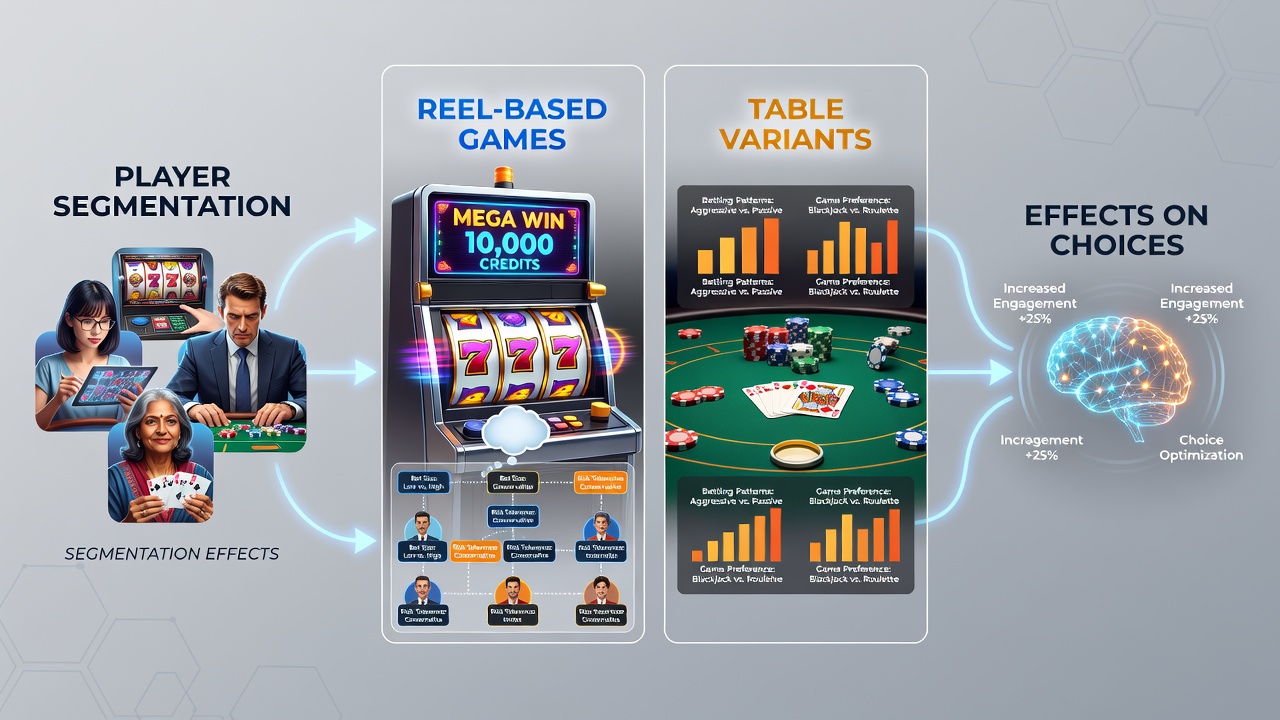
Strategic segments consistently favor table variants such as blackjack and poker derivatives because these formats reward skill application and allow bet adjustments based on observed outcomes. Industry analyses from the Australian Gambling Research Centre demonstrate that participants in this category maintain longer sessions at tables, often exceeding one hour, while their reel-based activity remains limited to occasional warm-up spins. Social interaction metrics within segmentation data further explain why group-oriented players cluster around table options that facilitate conversation and shared decision moments.
High-stakes divisions exhibit strong preferences for variants with elevated minimum bets and side wager opportunities, data from Canadian provincial reports show these players contribute outsized revenue shares despite representing smaller overall numbers. Table games in this context provide measurable edges through basic strategy charts and card counting awareness, elements absent from reel-based mechanics. Observers note that segmentation tools flag these individuals early through deposit patterns, prompting operators to allocate dedicated table areas or VIP digital rooms accordingly.
Interplay Between Segments and Cross-Game Transitions
Transitions between reel-based and table selections occur most frequently among mid-level segments that experiment with both formats during single visits, according to aggregated session logs from European operators. These movements often follow initial reel-based play that builds bankroll or confidence, leading some participants toward table variants for higher potential returns. Segmentation algorithms detect such shifts through behavioral markers, enabling real-time recommendations that align with emerging category traits.
Seasonal fluctuations also influence segment-driven choices, with summer periods showing increased table variant uptake among vacation-oriented groups while reel-based engagement holds steady year-round. Reports compiled through 2026 confirm that cross-format players represent roughly 25 percent of active accounts, a figure that underscores the value of segmentation in forecasting inventory needs for both game types. Operators use these insights to balance reel machine counts against table availability without overcommitting resources to any single category.
Conclusion
Player segmentation provides a structured lens for understanding how distinct groups navigate reel-based games and table variants, with data consistently linking category traits to measurable selection patterns. Regulatory bodies and research institutions continue to refine these models through updated participation statistics, supporting more precise allocation of gaming resources across physical and digital environments. The resulting framework helps explain sustained differences in engagement without assuming uniform behavior across all participants.