19 Aug 2026
Reel Depths and Player Retention: Insights from Slot Experience Levels
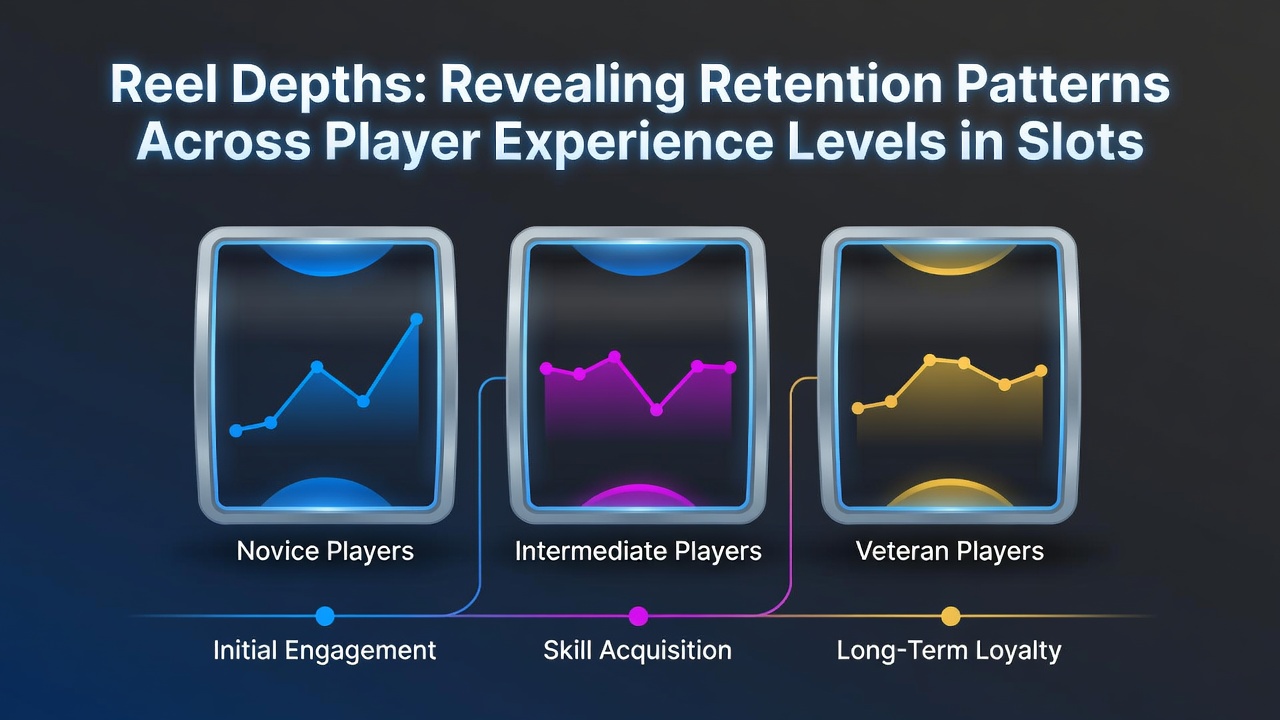
Slot machines operate through reel configurations that range from three to seven or more vertical columns, and these reel depths correlate directly with how long players stay engaged at different stages of experience. Data from industry tracking shows that retention metrics shift as individuals move from initial sessions into repeated play, with reel complexity acting as one measurable factor in session duration and repeat visits. Observers note patterns where simpler setups hold attention for shorter bursts among newer participants, while layered designs align with extended activity once familiarity grows.
Defining Reel Depths in Modern Slots
Reel depth refers to the number of spinning columns combined with the symbol grid size and payline structures that determine outcome frequency. Three-reel formats typically feature fewer symbol combinations and quicker resolutions, whereas five-reel or six-reel variants expand the grid to create more potential matches per spin. Reports compiled through operator analytics indicate these structural differences influence average spins per session across player cohorts. Studies from research institutions track how the addition of extra reels introduces bonus triggers and cascading mechanics that alter the pace of play without changing the underlying random number generation.
Retention Patterns Among Entry-Level Players
Individuals with fewer than ten recorded sessions often gravitate toward three-reel or four-reel titles, and session logs reveal average play times cluster around eight to twelve minutes before departure. These shorter engagements tie to faster cycle times that deliver immediate feedback on each wager. Figures from North American casino data reveal higher early churn rates when participants encounter denser five-reel grids that require more spins to reach feature rounds. Retention improves slightly when operators introduce tutorial overlays that explain reel interactions, yet the core pattern persists where simpler depths support initial trial without overwhelming new users.
Intermediate Experience and Expanded Reel Configurations
Players who accumulate twenty to fifty sessions demonstrate increased tolerance for five-reel and six-reel machines, with data indicating average session lengths extend to twenty-five minutes or more. The added reel depth allows for secondary features such as wild substitutions and scatter payouts that maintain momentum between base game outcomes. One analysis of Canadian provincial gaming records shows this group exhibits lower abandonment rates when reel expansions coincide with adjustable bet sizing options. Retention curves flatten as familiarity with symbol frequency builds, leading to voluntary selection of deeper reel titles over repeated visits.

Advanced Players and Complex Reel Systems
Those recording over one hundred sessions frequently select seven-reel or multi-dimensional grid formats that incorporate progressive multipliers and layered bonus stages. Retention data collected across multiple jurisdictions points to session durations exceeding forty minutes when reel depth supports strategic bet adjustments and feature anticipation. Academic papers from university gambling research centers note that experienced participants demonstrate precise recall of reel symbol distributions, which correlates with sustained engagement rather than rapid exits. Operators observe that these users migrate across titles but maintain consistent time-on-device when reel mechanics reward pattern recognition developed over prior play.
Comparative Data Across Experience Thresholds
Cross-sectional reviews of gaming reports compiled in August 2026 highlight measurable differences in retention percentages when segmented by session count and reel depth preference. Novice cohorts retain at approximately thirty-five percent after the first week on three-reel products, while intermediate groups reach fifty-five percent retention on five-reel variants during the same interval. Advanced segments show sixty-five percent continued activity on deeper configurations, according to aggregated operator statistics released by state regulatory bodies in the United States. These figures emerge from anonymized transaction records that isolate reel count as a variable while controlling for denomination and volatility settings.
What's interesting is how bonus frequency within deeper reels appears to anchor longer visits once players surpass the intermediate threshold, whereas early-stage participants respond more to base game payout cadence alone. Research indicates no single reel depth guarantees retention, yet the alignment between experience level and mechanical complexity produces observable stability in play patterns over multi-week windows.
Conclusion
Reel depth functions as a structural variable that intersects with accumulated player experience to shape retention outcomes in measurable ways. Data from diverse regulatory sources and academic reviews consistently maps shorter sessions to simpler configurations among newer participants and extended engagement to expanded grids among seasoned users. These patterns emerge from transaction-level analysis rather than individual preference surveys, providing operators with objective benchmarks for game placement and feature design. Continued monitoring through established gaming authorities will refine understanding of how reel mechanics interact with experience progression across global markets.