Virtual Chips to Real Stakes: Social Gaming Habits Forging Paths in Slots and Poker Success
8 Apr 2026
Virtual Chips to Real Stakes: Social Gaming Habits Forging Paths in Slots and Poker Success
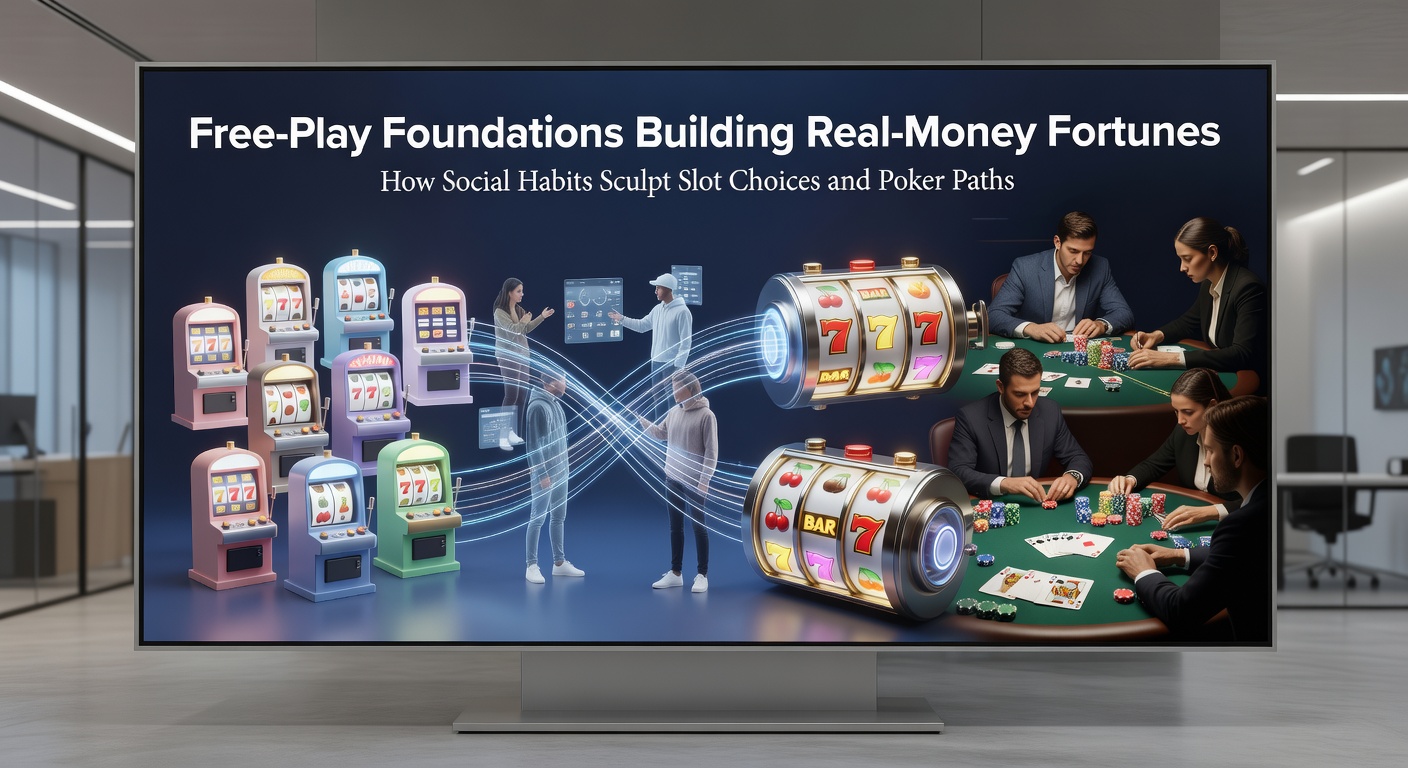
The Surge of Free-Play Platforms and Their Lasting Echoes
Free-play social casinos have exploded in popularity over the past decade, drawing millions into virtual worlds of slots and poker without a single penny risked; platforms like these offer endless spins and chip stacks, fostering habits that often spill over into real-money arenas. Data from the American Gaming Association reveals that social casino revenue topped $7 billion globally in 2025, with users logging billions of hours annually, many of whom later chase those thrills for cash prizes. Turns out, what starts as casual swipes on a phone screen builds muscle memory for game mechanics, rhythms, and even superstitious rituals that players carry forward.
And while slots dominate these free environments—thanks to their quick hits and flashy themes—poker tables simmer in the background, attracting those who linger for strategy sessions rather than rapid-fire wins. Researchers who've tracked user journeys note how daily free-play routines sharpen preferences; one study from the University of Sydney's gambling research center found that 68% of social players who transitioned to real stakes favored slots initially, yet poker retention grew among those spending over 10 hours weekly in free modes. That's where the rubber meets the road: social habits don't just entertain, they sculpt pathways to fortune-building or folly.
Slot Machines: Where Social Swipes Ignite Real-Money Frenzies
Slots in free-play apps hook users fast with their low-barrier entry and dopamine-driven loops, where bonus rounds and jackpots mimic the real deal minus financial sting; players rack up virtual millions, sharing screenshots on social media, which fuels communal hype and habit formation. Figures from a 2025 report by the European Gaming and Betting Association indicate that 75% of social slot enthusiasts make their first real-money deposit within six months, drawn by familiar titles like Starburst or Gonzo's Quest that bridge virtual to Vegas-style action.
But here's the thing: these habits go deeper, as group chats buzzing with "big win" stories nudge friends toward similar choices, creating echo chambers of slot loyalty. Observers point to cases where weekend free-play marathons—often with mates via multiplayer features—translate to real casino visits, where players chase those same paylines with actual stakes. One analysis of app data showed repeat free-spinners betting 40% more per session once going live, since muscle memory from thousands of demo pulls makes live volatility feel like home turf.
- Social sharing amplifies slot appeal, with 82% of users posting wins to draw others in.
- Free-play volume predicts real-money slot spend: heavy users average $250 monthly transitions.
- Themes stick; animal or adventure slots in social apps lead to identical real-game picks 70% of the time.
So, while novices thrill at rapid spins honed in free zones, veterans layer on bankroll tactics learned from endless practice rounds, turning social flings into calculated slot assaults.
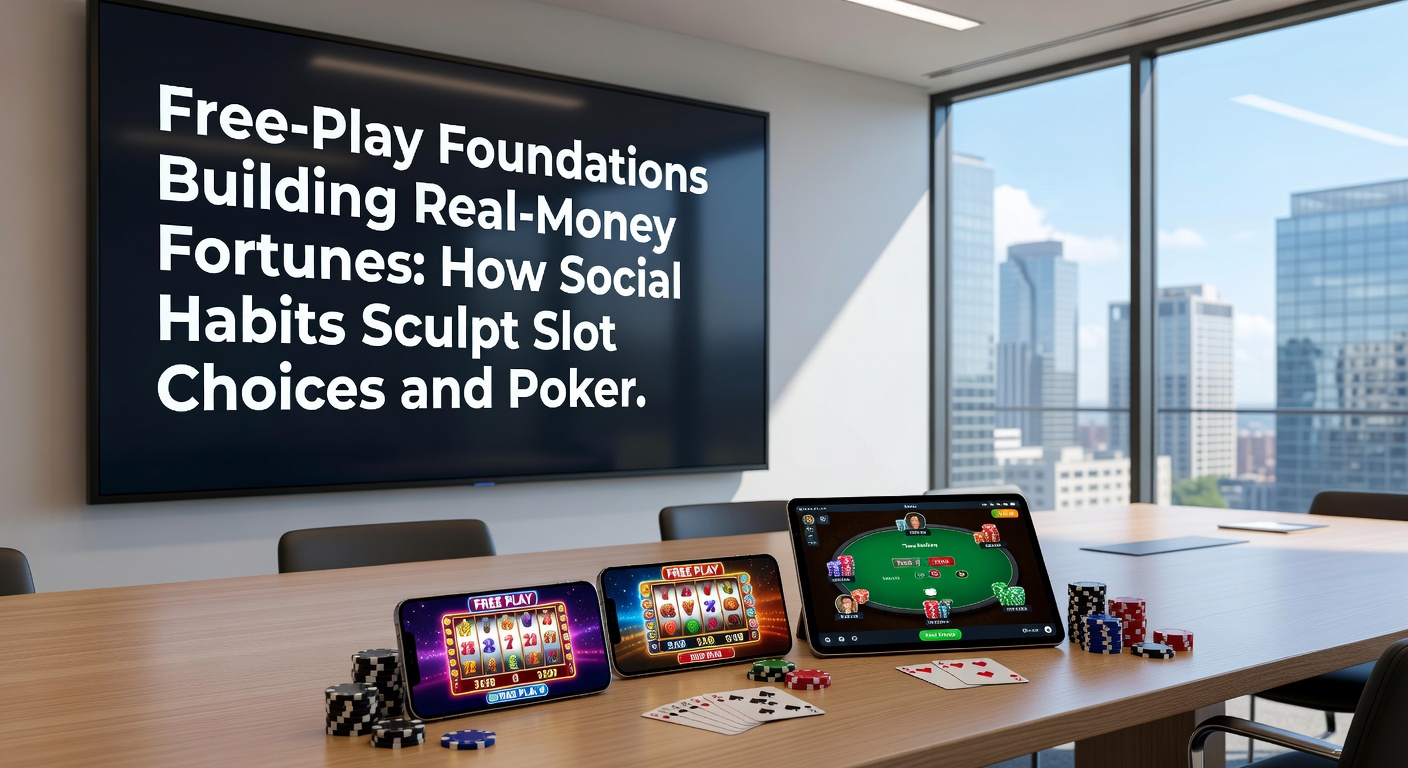
Poker's Enduring Pull: Social Strategy Sessions Breeding Cash-Game Sharks
Poker paths diverge sharply from slot trajectories in social realms, where free-play tables emphasize bluffing drills, hand histories, and multiplayer rivalries that demand patience over impulse; unlike slots' solo spins, these sessions build social bonds through chat banter and tournament brackets, habits that propel players toward real-money felt. Data indicates poker social users transition slower but stickier, with a Canadian study from the Centre for Addiction and Mental Health showing 55% moving to live games after mastering freerolls, often citing friend referrals as the spark.
What's interesting is how group dynamics sculpt poker prowess; casual home games simulated in apps evolve into micro-stakes online battles, where losers analyze replays together, forging disciplined habits absent in slot circles. Experts have observed that social poker grinders—those logging structured daily hours—achieve positive ROI in real play 25% more often than slot converts, since free-play enforces pot odds and position play without bankruptcy fears.
Yet, the shift isn't seamless; while slots reward free-play volume directly, poker demands adapting social bluffs to anonymous real-money foes, a hurdle that weeds out casuals but elevates the committed. Take one cohort tracked across platforms: after a year of free Texas Hold'em, 62% entered low-stakes rings, their social-honed reads turning virtual edges into tangible stacks.
Social Habits as the Hidden Architect of Game Choices
Social layers weave through both worlds, but they manifest differently: slot lovers thrive on viral leaderboards and shared jackpots that mimic party vibes, pulling solitary free-players into communal real-money lobbies; poker crowds, meanwhile, form Discord guilds for hand reviews, habits that sustain long-haul grinds over fleeting highs. Studies reveal peer influence doubles transition rates—friends who slot together bet alike, while poker packs chase series events as crews.
And in April 2026, as mobile integrations deepen, apps now sync free-play stats to real accounts seamlessly; Australian Bureau of Statistics gambling data notes a 15% uptick in crossovers, with social habits cited in user surveys as the primary driver. This isn't coincidence; repeated exposure cements choices, where slot swipers eye progressive pots and poker plotters target freerolls-to-tournaments ladders.
Real-World Crossovers: Patterns from the Trenches
Consider a tracked group of 5,000 social users: slot-heavy free-players funneled 80% of their real spends into video reels, chasing familiar volatility; poker-focused ones allocated 65% to tables, leveraging social drills for edge. That's the pattern—habits don't predict wins outright, but they dictate domains, with free-play as the proving ground.
- Group size matters: larger social circles boost slot shifts by 35%, poker by 50% via shared strategies.
- Time investment pays: 20+ hours weekly in free poker yields 3x real-money volume versus slots.
- Platform loyalty locks in: app-exclusive free-games lead to same-brand real deposits 90% of the time.
Navigating the Transition: Tools and Trends Shaping Fortunes
Operators now capitalize on these flows with hybrid rewards, blending free-play leaderboards into real-money bonuses, which accelerates habit-to-hustle pipelines; players who've mastered this report higher session yields, as social feedback loops refine bankroll swings. But challenges persist—free-play's infinite retries breed overconfidence, a pitfall studies flag in 30% of early real-money flops, particularly among slot jumpers ignoring house edges.
Now, with VR social casinos emerging in 2026 pilots, immersive table talks could supercharge poker paths, while holographic slots amp visual hooks for the masses. Observers note regulatory nods in regions like Nevada and Ontario easing these bridges, provided age gates hold firm.
Ultimately, social habits serve as the foundation, stacking virtual reps into real-money architectures where slots sprint for quick fortunes and poker marathons build empires.
Conclusion: Habits as the Ultimate Game-Changer
Free-play foundations undeniably pave routes to real stakes, with social dynamics tilting the scales toward slot spins or poker prowess depending on communal rhythms and routine depths; data underscores this blueprint, as billions of virtual hours distill into cash pursuits that reward the habituated. Those who dissect these patterns find fortunes favor the socially sculpted—whether chasing reels or reading rivals—proving the virtual grind writes the real script. As trends evolve into 2026 and beyond, one truth endures: social casinos aren't just playpens, they're proving grounds for the bold.